Becoming a physician is both a privilege and an immense personal challenge. Long hours, steep learning curves, and emotional demands of patient care can strain even the most dedicated trainees. A 2025 survey of residents and fellows conducted by the Graduate Medical Education Office at the University of Wisconsin–Madison underscored this reality:
- 20% reported often feeling emotionally drained at work
- 40% felt worn out and weary after their workday
- 50% said they needed more time than in the past to relax after work
Recognizing these pressures, the University of Wisconsin Department of Ophthalmology and Visual Sciences (DOVS) formalized a comprehensive Residency Wellness Curriculum in 2021 to help residents build sustainable, fulfilling careers in medicine.

“A priority for our residency team is to train residents who not only provide amazing patient care, but can provide this care for years to come,” said Associate Professor Anna Momont, MD, vice chair of resident education and residency program director. “That means teaching them how to care for themselves as physicians: finding enjoyment in work, avoiding burnout, and taking care of their bodies through attention to ergonomics.”
The multifaceted curriculum integrates resident interests and preferences, while addressing the work environment, the practice of medicine, skills development, and personal factors. The program promotes self‑care, healthy working relationships, and meaningful patient interactions—core elements of a thriving professional life.
To improve the day-to-day environment, DOVS implemented several structural improvements:
- Limiting meetings to one hour
- Restricting before‑ or after‑hours meetings to one per week
- Prioritizing ergonomics in clinical and educational spaces
- Encouraging quality‑improvement projects that streamline processes and reduce stress‑inducing errors
Regular didactic sessions focus on skills essential for a sustainable career in medicine, covering financial well‑being, mindfulness, ergonomics, and other tools that help residents navigate both external pressures and internal expectations.
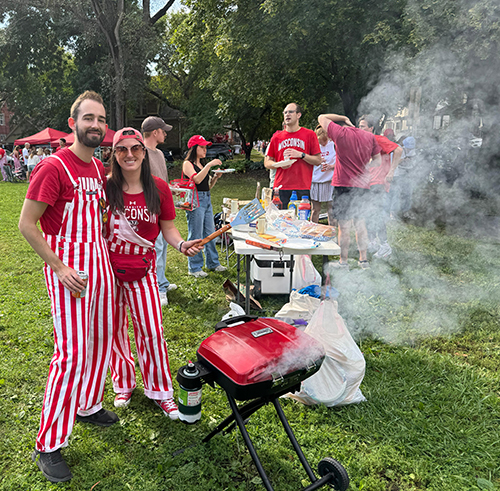
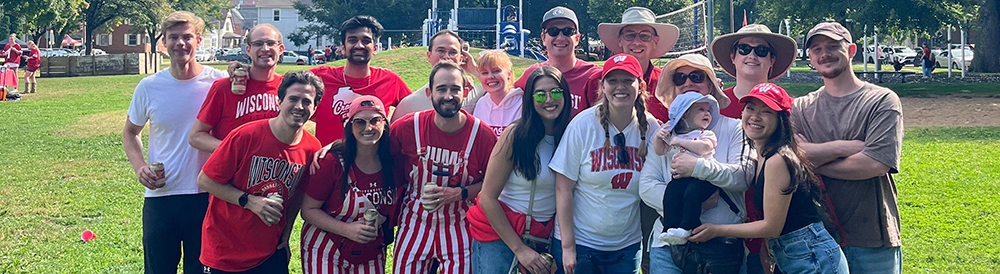
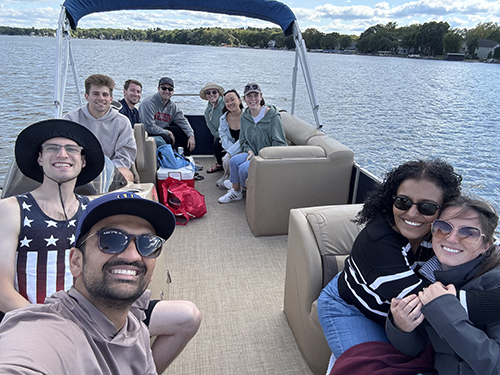
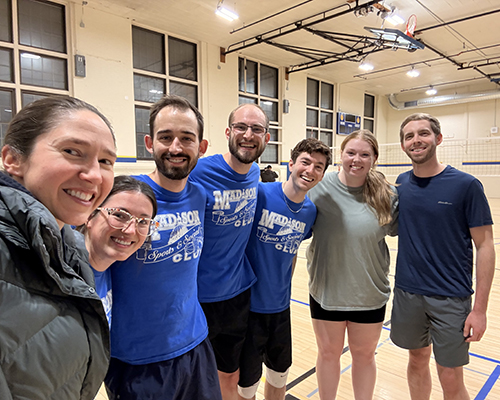
DOVS also offers several structured wellness opportunities such as a mentoring program that connects residents with supportive faculty, an annual wellness retreat, and four wellness half‑days each year. Residents play an active role in shaping their experience. With departmental financial support, they select team‑building activities ranging from sporting events and dining experiences to art workshops and cooking classes.
“The success of the curriculum reflects careful planning and sustained advocacy. Allocating time for wellness required coordination across clinics, the VA, and call schedules, with clinical fellows and providers stepping in to support coverage,” Dr. Momont said. “Financially, the program has evolved from relying heavily on fundraising to securing an annual budget dedicated to resident wellness.”
Oversight comes from the DOVS Wellness Committee—comprised of at least one faculty advisor and two resident representatives—which meets twice per year to select didactic topics and plan quarterly team‑building events supported by dedicated funding.
The DOVS Residency Wellness Curriculum represents more than a set of activities—it reflects a cultural commitment to supporting the whole physician. By addressing environmental stressors, teaching practical skills, and fostering community, the program equips residents not only to excel in training but to thrive throughout their careers. In a profession where well‑being directly influences patient care, this investment in residents is an investment in the future of ophthalmology itself.