A highly accomplished vision scientist and expert in colorblindness has been announced as the keynote speaker for the 2026 George Kambara, MD, Vision Science Symposium.
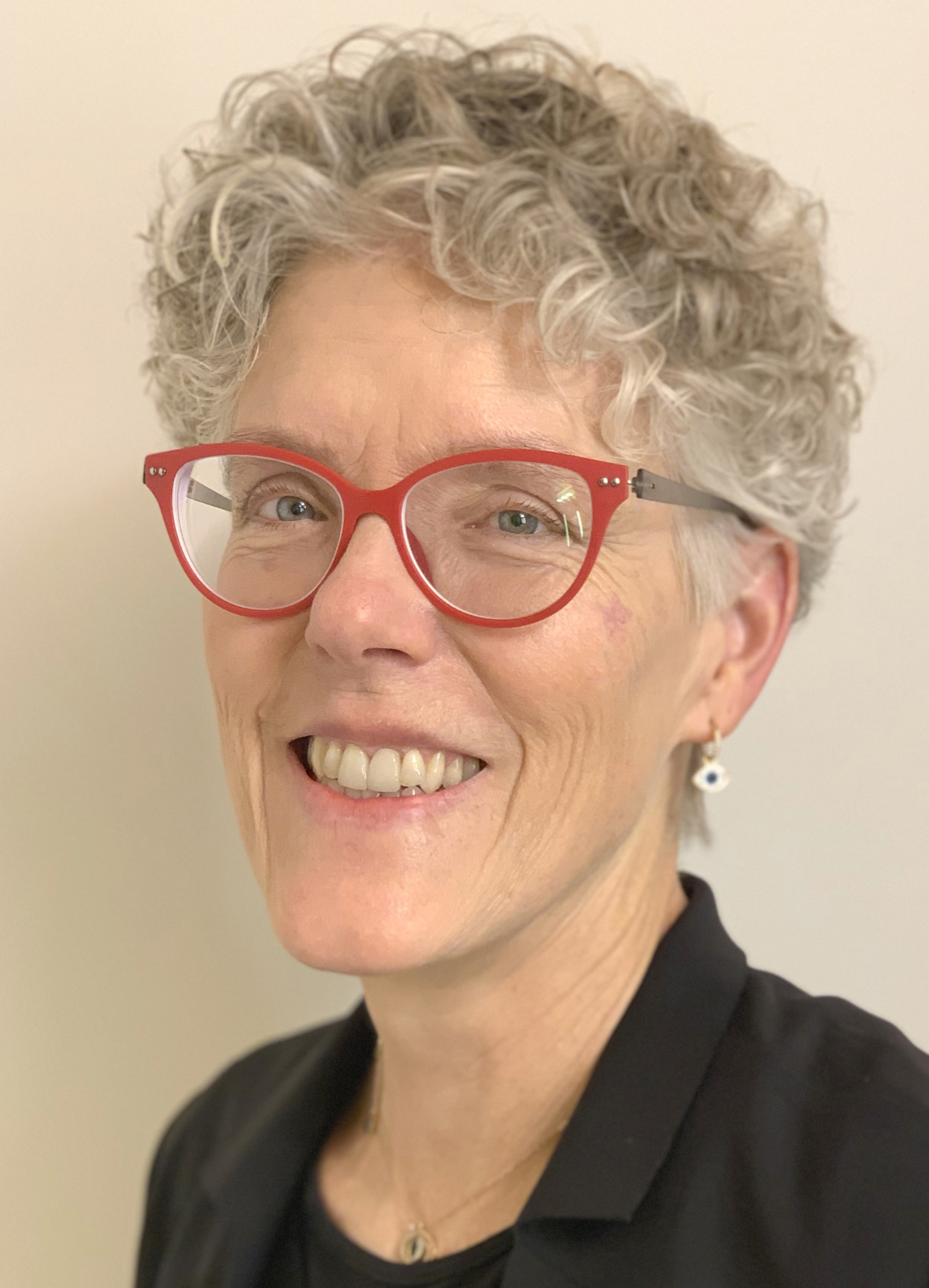
Maureen Neitz, PhD is the Ray H. Hill Endowed Chair in Ophthalmology at the University of Washington. Along with husband Jay Neitz, PhD, she directs the Neitz Research Laboratory, which seeks to better understand the causes of colorblindness and related visual disorders and to develop effective therapeutic solutions for these disorders.
“We are thrilled to have Dr. Neitz as our keynote speaker this year,” said Robert Nickells, PhD, a professor of Ophthalmology and Visual Sciences in the School of Medicine and Public Health who serves on the Kambara Symposium planning committee. “Dr. Neitz has been at the forefront of research uncovering the molecular and genetic mechanisms that mediate cone photoreceptor-based disorders, and we are excited to hear about her latest findings.”
Neitz’s talk is titled “Long-read Sequencing and Droplet Digital PCR as Complementary, Powerful Diagnostic Tools for Xq28 Opsin-based Vision Disorders.”
Dr. Neitz will explain the latest groundbreaking developments in genetic tools to accurately analyze a difficult region of the X chromosome that controls red‑green color vision. Using long‑read DNA sequencing and a precise gene‑counting method, researchers are now able to diagnose inherited color‑vision disorders and identify female carriers far more reliably than before. This work closes a major diagnostic gap and improves our ability to understand and detect X‑linked vision conditions.
The annual day-long Kambara Symposium showcases vision research being conducted on the UW-Madison campus and at other midwestern universities. It is supported by the Department of Ophthalmology and Visual Sciences George Kambara Education Fund and McPherson Eye Research Institute.
This year’s event will take place on April 10 in the Health Sciences Learning Center on the University of Wisconsin—Madison campus. More details will be announced soon.