 Location: Online
Date: July 23 – 24, 2026
Time: 8:00 AM – 12:30 PM – United States Central Standard Time
Greetings from the chair: Yanjun (Judy) Chen, MD, PhD
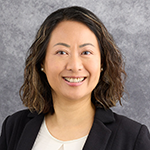 We are pleased to announce that the 35th International Pupil Colloquium will take place in the summer of 2026, bringing together researchers, clinicians, and scientists from around the world to share the latest advances in pupil research and its applications in neuroscience, ophthalmology, psychology, and medicine more broadly. Continuing its long-standing tradition, the Colloquium will foster interdisciplinary collaboration, highlight cutting-edge discoveries, and emerging voices in the field.
Meeting abstracts will be published in the University of Wisconsin’s MINDS open-access institutional repository, ensuring wide dissemination of the knowledge and insights generated.
We look forward to welcoming you to this exciting gathering of the global pupil research community.
The History of the IPC
Since its inception in the early 1960s, the International Pupil Colloquium has built a remarkable 60-year legacy as a center stage for pupil research, bringing together ideas and experiences from a wide range of multidisciplinary fields. Here, Professors Barbara and Helmut Wilhelm reflect on their experiences with the colloquium…
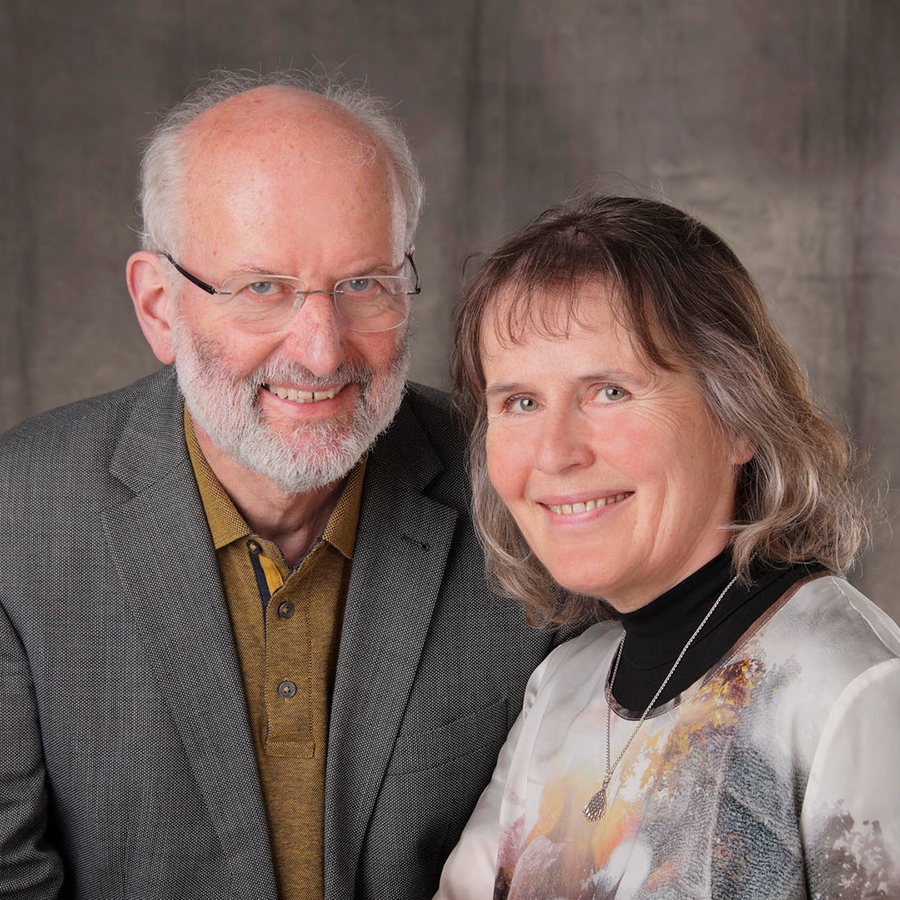
Prof. Helmut and Barbara Wilhelm
Pupil Research Group, Center for Ophthalmology, University Hospitals Tübingen, Germany
Our first participations in the International Pupil Colloquium go back to 1991 and 1993 respectively. Since these very starts, the IPC meetings have been most inspiring, intense and fruitful. Much collaboration derived from the Colloquia and long-lasting friendships grew in parallel. It is no exaggeration to say that our own pupil research in Tübingen was significantly influenced by exchanges with other pupil specialists at the colloquia, and that important decisions were made. We had the opportunity to meet Irene Loewenfeld in person and talk to her about our pupil research, we were able to collaborate with Stephen Smith, and we exchanged ideas with Stanley Thompson and many more. All these encounters and impulses were incredibly valuable for us.
We both had the pleasure of hosting the IPC twice with a strong team: in 1995 at Haigerloch Castle and in 2011 at Hohentübingen Castle. And we would be delighted if the IPC could return to Tübingen in 2028.
Until the pandemic-related interruption, the IPC meetings usually lasted several days and always allowed enough time for exchange and personal encounters, not to mention the enjoyable laboratory visits and excursions in the region. From the very beginning, what made the Pupil Colloquium special has been its informal character, which was more reminiscent of a workshop than a traditional conference. Usually, the same amount of time was allocated for discussion as for the presentation. Ideas for studies were often presented to obtain suggestions from others, possibly more experienced colleagues, which were then put into practice.
We hope that this special spirit will continue to prevail at all future IPC meetings and that new ideas will lead to even more fruitful exchanges.
This is an accordion element with a series of buttons that open and close related content panels.
For More History
| 1st MIT, Boston, MA, USA, 1961, Larry Stark |
| 2nd MIT, Boston, MA, USA, 1962, Larry Stark |
| 3rd New York, NY, USA, 1963, Otto Lowenstein and Irene Loewenfeld |
| 4th Washington. DC, USA, 1965, Richard Feinberg |
| 5th Philadelphia, PA, USA, 1967, Alan Laties |
| 6th Bethesda, MD, USA, 1969, Henry Wagner |
| 7th Rochester, MN, USA, 1971, Ted Martens |
| 8th Detroit, MI, USA, 1973, Irene Loewenfeld |
| 9th Iowa City, IA, USA, 1975, Stan Thompson |
| 10th Flushing, NY, USA, 1977, Gad Hakerem |
| 11th London, UK, 1979, Stephen Smith and Paul Turner |
| 12th Winnipeg, MO, USA, 1981, Michel Pierre Janisse |
| 13th Toronto, Canada, 1983, Jan Czarnecki |
| 14th Vancouver, Canada 1985, Terry Cox |
| 15th Hamamatsu, Japan, 1986, Satoshi Ishikawa |
| 16th New York, NY, USA, 1987, Myles Behrens and Jeffery Odel |
| 17th Vancouver, Canada, 1988, Terry Cox and Stan Thompson |
| 18th Berkeley, CA, USA, 1989, Larry Stark and Glenn Myers |
| 19th Woods Hole, MA, USA, 1991, Irene Loewenfeld |
| 20th Iowa City, IA, USA, 1993, Stan Thompson and Randy Kardon |
| 21st Tübingen, Germany, 1995, Helmut Wilhelm and Barbara Wilhelm |
| 22nd Birmingham, AL, USA, 1997, Paul Gamlin |
| 23rd Nottingham, UK, 1999, Elemer Szabadi and Peter Howarth |
| 24th Pacific Grove, CA, USA, 2001, Merlin Larson and Peter Howarth |
| 25th Crete, NE, USA, 2003, Panos Bitsios and Peter Howarth |
| 26th Bear Mountain, NY, USA, 2005, Harry Wyatt and Michael Rosenberg |
| 27th Hamamatsu, Japan, 2007, Hitoshi Ishikawa and Satoshi Ishikawa |
| 28th Pittsburgh, PA, USA, 2009, Stuart Steinhauer |
| 29th Tübingen, Germany, 2011, Helmut Wilhelm and Barbara Wilhelm |
| 30th Birmingham, AL, USA, 2013, Paul Gamlin |
| 31st Oxford, UK, 2015, John Barbur |
| 32nd Morges, Switzerland, 2017, Aki Kawasaki |
| 33rd Murcia, Spain, 2019, Pablo Artal |
| 34th Hyderabad, India, 2024, Shrikant Bharadwaj |
Loewenfeld Lecturer
Merlin D. Larson, MD
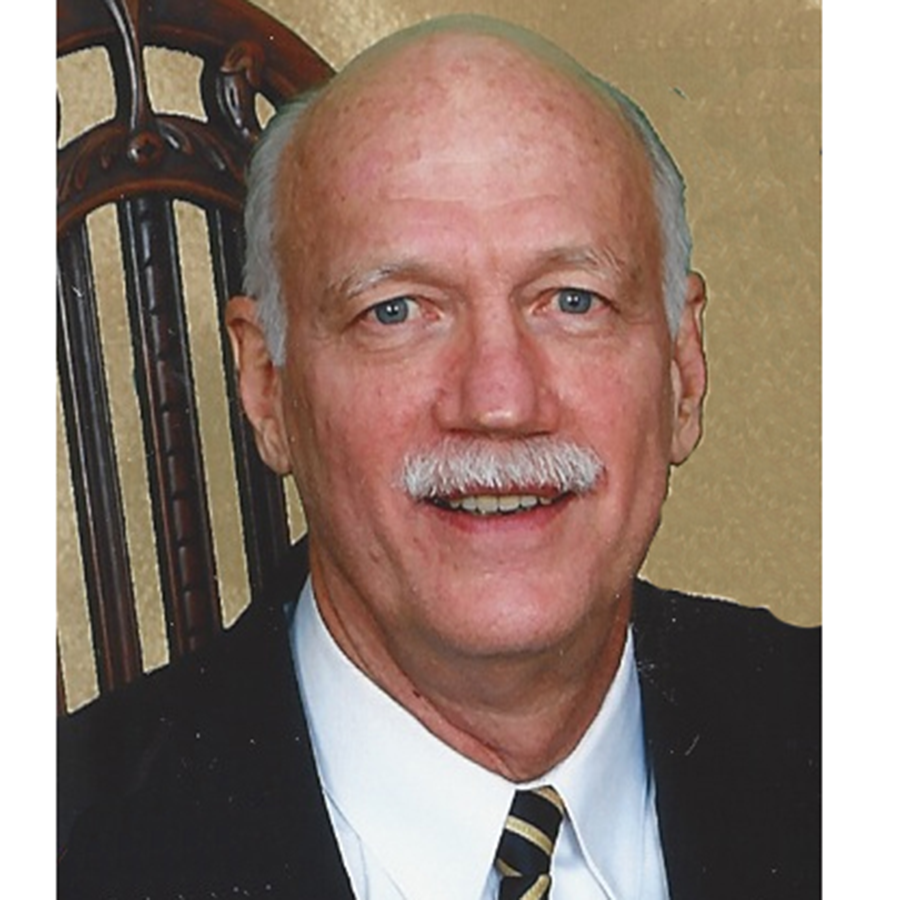 Dr. Larson studied the neurophysiology of synaptic transmission at NIH under the supervision of Floyd Bloom. He then trained to be an anesthesiologist at Stanford University where he developed an interest in the effect of unconscious states on the pupillary reactions. After joining the faculty at UCSF, he collaborated on several projects relating to the effect of pain, analgesics, and general anesthesia on the pupil. He consulted with Irene Loewenfeld on several occasions during meetings of the Pupil Colloquium. His book, “A Practical Guide to Portable Pupillometry” was recently published by Cambridge University Press (2025).
Publications can be retrieved from Google Scholar with keyword search: Merlin Larson.
Meet the Committee
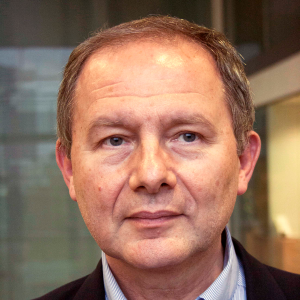
John Barbur, PhD
The Henry Wellcome Laboratories for Vision Science, City St. George’s, University of London
London, United Kingdom
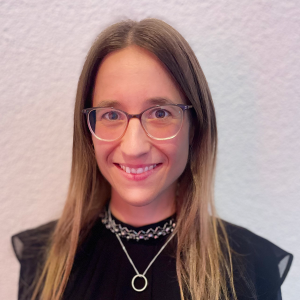
Carina Kelbsch, MD, FEBO
Centre for Ophthalmology, University Eye Hospital, Department for Neuroophthalmology, University of Tübingen
Tübingen, Germany
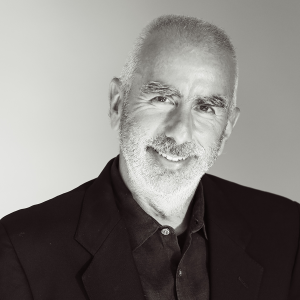
Claudio M Privitera, PhD
Chief Scientist
Neuroptics
Irvine, California, USA
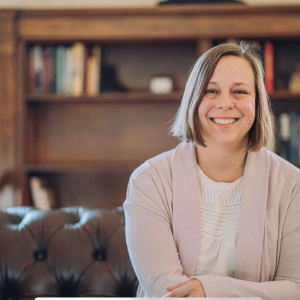
Kathryn A Roecklein, PhD
Department of Psychology, University of Pittsburgh
Pittsburgh, Pennsylvania, USA
Program Schedule - All times listed in US Central Time
Day 1 – July 23, 2026
| 8:00 AM · Opening Remarks – Yanjun (Judy) Chen, MD, PhD, University of Wisconsin-Madison, Madison, WI, USA |
| PODIUM PRESENTATION SESSION 1 – Moderator: John Barbur, BSc, MSC, DIC, PhD, City St. George’s University of London, London, UK |
| Melanopsin-Driven Pupil Responses in Psychopathology: Biomarkers, Mechanisms, and Treatment |
| 8:20 – 8:35 AM · Kathryn Roecklein, PhD, University of Pittsburgh, PA, USA |
| Change in post-illumination pupil response with light treatment vs. cognitive-behavioral treatment in seasonal affective disorder |
| 8:35 – 8:50 AM · Maddison Taylor MS, University of Pittsburgh, Pittsburgh, PA, USA |
| Improving post-illumination pupil response interpretation: clarifying the effects of pupillary parasympathetic tone using the pupillary unrest index |
| 8:50 – 9:05 AM · Rebecca Cox, PhD, Washington University, St. Louis, MO, USA |
| Lower melanopsin-driven light sensitivity in young adults with obsessive-compulsive disorder and late bedtimes |
| 9:05 – 9:20 AM · Alison Klevens MS, University of Pittsburgh, Pittsburgh, PA, USA |
| Circadian photoreceptor responsivity before and after habitual sleep in individuals with bipolar disorder and healthy controls |
| 9:20 – 9:30 AM · Break |
| PODIUM PRESENTATION SESSION 2 – Moderator: Carina Kelbsch, MD, FEBO, University of Tubingen, Tubingen, Germany |
| The Pupil – Unlocking New Insights |
| 9:30 – 9:45 AM · John Barbur, BSc, MSC, DIC, PhD, City St George’s University of London, London, UK |
| Disentangling pupil color responses from photoreceptor specific signals that drive the pupil light reflex pathways |
| 9:45 – 10:00 AM · Andreas Widmann, MSc, Wilhelm Wundt Institute for Psychology, Leipzig University, Leipzig, Germany |
| A biomechanically inspired computational model of arousal and task-related contributions to pupil dilation |
| 10:00 – 10:15 AM · Edna Basurto, BS, University of Wisconsin—Madison, Madison, WI, USA |
| Impact of anisocoria on pupillary light reflex metrics |
| 10:15 – 10:30 AM · Elemer Szabadi MD, PhD, DSc, DipNeurol, FRCPsych, University of Nottingham, Nottingham, Nottinghamshire, UK |
| Pramipexole: paradoxical association between sedation and pupil dilation |
| 10:30 – 10:40 AM · Break |
| PODIUM PRESENTATION SESSION 3 – Moderator: Yanjun (Judy) Chen, MD, PhD, University of Wisconsin-Madison, Madison, WI, USA |
| From Retina to Cortex – Pupillary Testing of the Visual Pathway |
| 10:40 – 10:55 AM · Jason Park, PhD, University of Illinois Chicago, Chicago, IL, USA |
| A rapid chromatic pupillometry protocol for assessing photoreceptor-specific responses |
| 10: 55 – 11:10 AM · Anton Sonntag, MD, University of Tuebingen, Tuebingen, Germany |
| Long-term evaluation of localized pupillary responses in ischemic occipital lobe lesions with homonymous visual field defects |
| 11:10 – 11:25 AM · Sébastien Buchwalder, PhD, Oculox Technologies SA, Muzzano, TI, Switzerland |
| Dichoptic chromatic pupillometer for identifying optic neuropathies |
| 11:25 – 11:40 AM · Tessie Hamers, MSc, Utrecht University, Utrecht, The Netherlands |
| Dissociating issual field defects and visuospatial neglect through retinotopic and spatiotopic pupil biases using movie-watching pupil perimetry |
| 11:40 – 11:50 AM · Break |
| POSTER PRESENTATION – Moderator: Claudio Michele Privitera, PhD, Neuroptics Inc, Irvine, CA, USA |
| 11:50 – 11:57 AM · Takumi Tsuji, MSc, Faculty of Medical Technology, Niigata University of Health and Welfare, Niigata, Japan |
| Course of accommodative function, refraction, and pupil diameter after cyclopentolate instillation in young adults |
| 11:57 AM – 12:04 PM · Shunya Tatara, PhD, Faculty of Medical Technology, Niigata University of Health and Welfare, Niigata, Japan |
| Effect of pupil diameter on refractive measurements using the spot™ vision screener |
| 12:04 – 12:11 PM · Erum Nisha, BSOptom, L V Prasad Eye Institute, Center For Technology Innovation, Hyderabad, Telangana, India |
| Static and dynamic characteristics of the pupil light reflex obtained in Indian eyes using a hand-held, objective pupillometer |
| 12:11 – 12:18 PM · Warda Alkhbuli, BSc, OMT, The University of Ottawa Eye Institute, Ottawa, Ontario, Canada |
| Comparison of a virtual reality pupillometer to manual methods in a tertiary care eye center |
| Election for the 36th IPC |
| Group Photo |
| Adjourn |
Day 2 – July 24, 2026
| 8:00 AM Announcements – Yanjun (Judy) Chen, MD, PhD, University of Wisconsin-Madison, Madison, WI, USA |
| MINI SYMPOSIUM – Moderator: Kathryn Roecklein, PhD, University of Pittsburgh, Pittsburgh, PA, USA |
| Pupillography, the Current Knowledge |
| 8:15 – 8:25 AM · Carina Kelbsch, MD, FEBO, University of Tubingen, Tubingen, Germany |
| Pupillography in assessing the visual pathway |
| 8:25 – 8:35 AM · Kathryn Roecklein, PhD, University of Pittsburgh, Pittsburgh, PA, USA |
| Pupillography in circadian rhythm and sleep medicine |
| 8:35 – 8:45 AM · Greg Siegel, PhD, University of Pittsburgh, Pittsburgh, Pennsylvania, USA |
| Pupillography in psychology – attention and cognitive load |
| 8:45 – 8:55 AM · Yanjun (Judy) Chen, MD, PhD, University of Wisconsin-Madison, Madison, WI, USA |
| Pupillography in central nervous system neurodegeneration |
| 8:55 – 9:05 AM · Claudio Michele Privitera, PhD, Neuroptics Inc, Irvine, CA, USA |
| Developing VR-based pupil testing |
| 9:05 – 9:15 AM · Q and A |
| 9:15 – 9:25 AM · Break |
| LOEWENFELD LECTURE |
| 9:25 – 10:25 AM · Merlin Larson, MD, University of California San Francisco, San Francisco, CA, USA |
| Pupillary Reactions During the State of Unconsciousness |
| 10:25 – 10:35 AM · Break |
| PODIUM PRESENTATION SESSION 4 – Moderator: Stuart Steinhauer, PhD, University of Pittsburgh, Pittsburgh, Pennsylvania, USA |
| Pupil Oscillation – Mystery or Missing Link? |
| 10:35 – 10:50 AM · Minoru Nakayama, DEng, Meiji University, Nakano, Tokyo, Japan |
| Detecting dementia symptoms using waveform features of the pupil light reflex |
| 10:50 – 11:05 AM · Yanjun Chen, MD, PhD, University of Wisconsin-Madison, Madison, WI, USA |
| A preliminary report of pupil oscillation among community-dwelling middle-aged and older adults |
| 11:05 – 11:20 AM · Claudio Michele Privitera, PhD, Neuroptics Research Lab, Neuroptics Inc, Irvine, CA, USA |
| The pupil as a biomarker of attention, perception, and catecholaminergic function |
| 11:20 – 11:35 AM · Greg Siegle, PhD, University of Pittsburgh, Pittsburgh, Pennsylvania, USA |
| Associations of the pupillary unrest index with neural activity in a suicide-relevant brain network |
| 11:35 – 11:45 AM · Break |
| 11:45 AM – 12:45 PM · Panel Discussion |
| Updates on Standard in Pupillography |
| Closing Remarks and Group Photo |
| Adjournment |
This is an accordion element with a series of buttons that open and close related content panels.
Registration
Standard Rate (non-trainee): $200
Standard Rate (trainee): $100
The International Pupil Colloquium will be held virtually in 2026. Registration will open on May 4, 2026. If you are an industry sponsor interested in supporting our event, please contact our organizers directly at marketing@ophth.wisc.edu.
Please be advised that this virtual meeting will be recorded. Participation in the meeting constitutes your consent to the recording and any authorized use of the recording in accordance with applicable policies and laws.
Call for Abstracts
Formats include keynote speaker, podium and poster presentation, and symposia panel discussion. Abstracts (350 words) should include author affiliations, keywords, preferred presentation format, and any relevant ethics approvals.
To submit work to MINDS@UW, you (authors) are asked to grant permission to the University of Wisconsin Board of Regents to reproduce, translate, preserve, and distribute their submission worldwide for non-commercial purposes in any format. By granting this permission, you confirm that you hold the necessary rights to the work, that it does not infringe on others’ copyrights, and that any third-party material has been properly authorized and acknowledged. The University may create multiple copies for preservation, will clearly credit the author(s), and will not alter the content beyond what is permitted. You (authors) also confirm compliance with any external sponsorship requirements, agree to hold the University harmless from related claims, and, if students, consent to sharing their work and waive FERPA rights for distribution purposes. Read the Full License
Sponsor Information
Thank you for your interest in participating in the International Pupil Colloquium. As the largest meeting dedicated to pupil research, the pupil colloquium offers excellent opportunities for scientific exchange, networking, and product showcase.
We provide two types of industrial sponsorship.
- Showcase presentation – $1,200: This option includes a brief live presentation at the conference. The fee also includes registration for one attendee, distribution of product brochures, and recognition of your participation in the meeting program.
- Product brochure distribution – $500: You may choose to have your product brochure distributed at the meeting. This option also includes recognition of your participation in the meeting program.
Please note that the number of showcase desks is limited due to space constraints and will be offered on a first-come, first-served basis. If you would like to proceed, our marketing team will be happy to work with you on the logistics.
To select your level of sponsorship, please complete this link: IPC Sponsorship Form
Payment Options:
Sponsorship is payable by check written out to:
UW Foundation
Memo line: DOVS Forward Fund
and send to:
UW Department of Ophthalmology and Visual Sciences
Attention: Stacie Christensen
2828 Marshall Court Suite 106
Madison, WI 53705
Electronic Payment Options
Key Dates
- Abstract Submissions: February 1, 2026 – June 15, 2026
- Author Notifications: Applicants may receive the author notification as early as 2 weeks following submission, up to June 30, 2026.
- Early Registration: February 1, 2026 – June 30, 2026
- Conference Dates: July 23, 2026 – July 24, 2026
Who Should Attend?
Scientists, clinicians, trainees, and industry professionals working with the pupil in broad clinical and research fields.
Program Highlights
- Keynote lectures by internationally recognized experts
- Parallel symposia and breakout sessions
- Lightning talks and poster presentations
- Technology and methods showcase
- Networking and social events
Hosted by Department of Ophthalmology and Visual Sciences, University of Wisconsin–Madison